Hey It's Srijan, I post blogs guiding new developers like me .
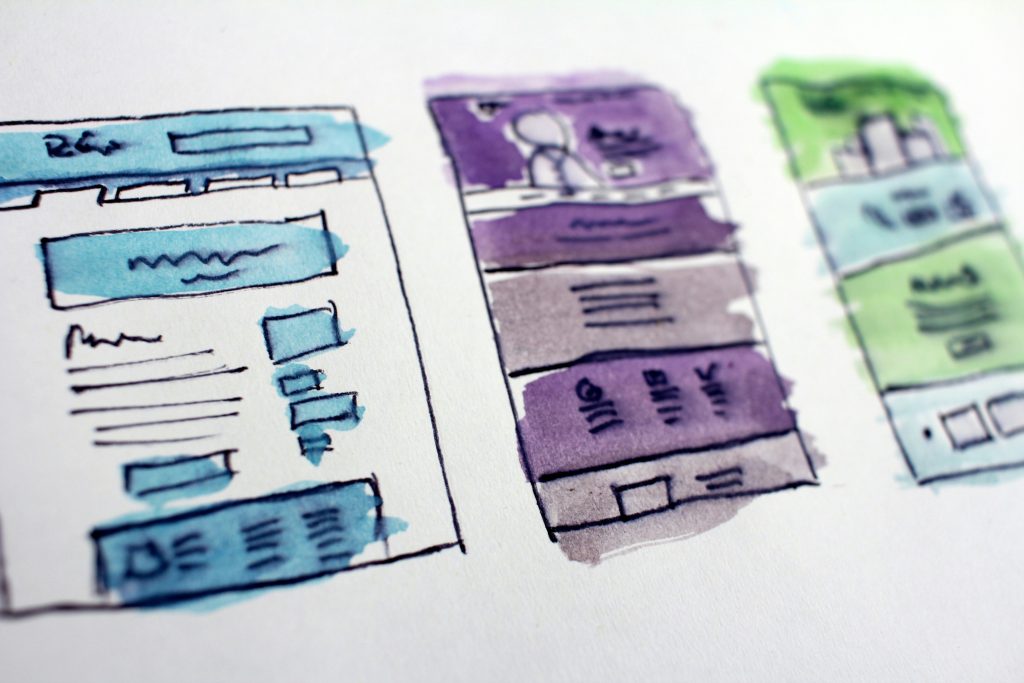
Web Developer Portfolio
A web developer portfolio is a personal website that showcases your skills, experience, and projects to potential clients and employers. Very much like my website sangroula.mydcts.org. A strong portfolio goes beyond a traditional resume by providing concrete, interactive evidence of your work. It’s not just a portfolio; it’s making your appearance online. Your portfolio is an opportunity to showcase your creativity and web development prowess. Try making your own theme, make the website stand out; explore different designs that show you. Regularly update your portfolio with new projects, skills, and accomplishments every 3–6 months to show potential employers you are active and growing.
What to include:
Homepage
You need a clear landing page, make the headline about your main focus, and what you do. Tell them what kind of developer you are, such as “Front-End Developer” or “Full-Stack Developer”. I recommend using a professional headshot on your homepage.
Projects Section
Quality over Quantity: Show off three to five of your best projects, rather than a dozen lesser ones. What them what you are proud of and what you accomplished.
Descriptions: Provide descriptions of each project. The purpose of it and what role you played in it. List any challenges so you can mention your growth. Either have a screenshot, a video, or a link.
About Me Page
Narrative: Share your background, what motivated you to become a developer, and what you are passionate about.
Personal details: A Few details about your hobbies or interests can make you more memorable. This is where you can describe what kind of person you are.
Skills
List the programming languages, frameworks, libraries, and tools you are proficient in. You can connect this to your project sections. Let your projects demonstrate your proficiency.
Contact
Finally, a contact page. Make it easier for potential clients to get in touch. Include a contact form, your professional email, and links to your social media, like LinkedIn.
What to exclude:
Codes
Code you can’t explain: Do not include code that you cannot explain during an interview, especially if it was written by an AI tool. It’s better to have a deep understanding of fewer projects than to have more that you can’t speak confidently about.
Excessive Personal Information
Keep the “About Me” section short and professional. Include information related to your portfolio and some hobbies. You don’t have to get too much into detail about your outside life.
Irrelevant Information
Do not get off topic and remember the purpose of your portfolio. A portfolio should be designed for the people you want to hire you. If you’re a freelancer, speak in terms of business results. If you’re seeking a specific role, tailor your project descriptions to that position’s needs.
What an Online Portfolio allows you to do
An online portfolio allows you to demonstrate your skills, build credibility, and actively market yourself to potential employers and clients. It is where you show off everything you can do. It’s like an interactive online resume, clients and users and go around your page and learn about you. Instead of just listing qualifications, you can show them.
It makes you stand out from others. How many people do you know who have their own personal website? This can show that you are passionate about this field and have already established an online persona. Also makes it easier to showcase your works. For instance, if a job requires expertise in React, you can feature your best React projects.A portfolio is a 24/7 digital resume. It allows recruiters and hiring managers to review your work at any time, anywhere. Many hiring managers in the tech industry prioritize portfolios when reviewing candidates.
Best of Luck on your first web portfolio!
Sources: W3Schools, Fiero Code